


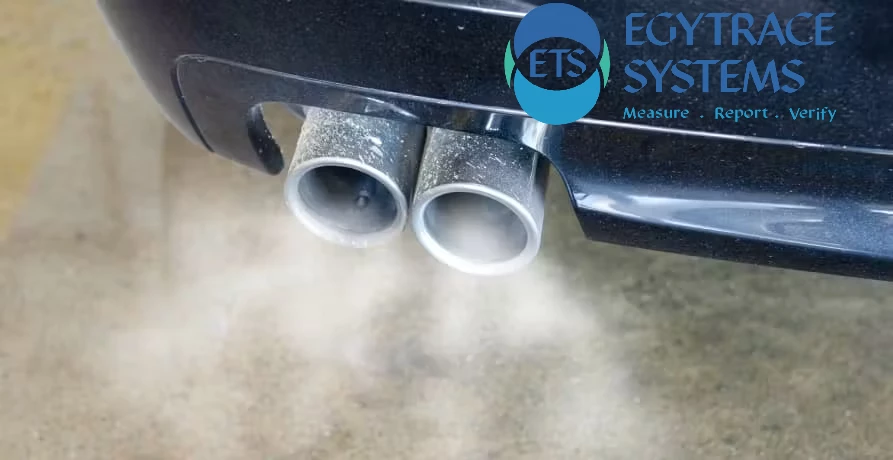
In today’s world, where sustainability is no longer a buzzword but a necessity, understanding scopes 1, 2, and 3 emissions is vital for businesses aiming to reduce their carbon footprints. But what do these scopes mean, and why are they important? Let’s break it down.
What Are Scopes 1, 2, and 3 Emissions?
To manage greenhouse gas (GHG) emissions effectively, organizations follow the Greenhouse Gas Protocol (GHG Protocol), which categorizes emissions into three scopes:
Scope 1: Direct Emissions
Scope 1 emissions come directly from sources owned or controlled by a company. Examples include:
- Fuel combustion in company-owned vehicles or boilers.
- Emissions from on-site industrial processes.
- Fugitive emissions from air conditioning or refrigeration leaks.
These emissions are the most straightforward to measure since they occur directly under the organization’s control.
Also Read : Emission Factors Explained
Scope 2: Indirect Emissions from Purchased Energy
Scope 2 emissions refer to indirect emissions from the generation of purchased energy, such as electricity, heating, or cooling. While these emissions are produced by a third party, the energy consumption is attributed to the organization.
Reducing Scope 2 emissions often involves:
- Transitioning to renewable energy sources.
- Improving energy efficiency in operations.
Scope 3: All Other Indirect Emissions
Scope 3 emissions encompass all other indirect emissions within a company’s value chain. These are often the most complex to track and can include:
- Emissions from raw material production.
- Transportation and logistics.
- Employee commuting and business travel.
- Waste disposal.
For many companies, Scope 3 emissions represent the largest portion of their carbon footprint.
Why Are Scopes 1, 2, and 3 Emissions Important?
Addressing all three scopes is crucial for several reasons:
- Regulatory Compliance: Governments worldwide are introducing stricter emission reporting requirements.
- Brand Reputation: Consumers are increasingly choosing brands committed to sustainability.
- Investor Appeal: Transparency in carbon reporting attracts environmentally conscious investors.
- Operational Efficiency: Tracking emissions often uncovers inefficiencies, leading to cost savings.
How to Measure and Manage Emissions Across the Three Scopes
Step 1: Identify Emission Sources
Map out your activities to identify where emissions occur. For instance:
- Scope 1: On-site fuel combustion.
- Scope 2: Energy bills for purchased electricity.
- Scope 3: Supplier activities and downstream product use.
Step 2: Collect Data
Gather accurate data from internal records, suppliers, and utility providers. Tools such as carbon accounting software can streamline this process.
Step 3: Set Targets
Set clear, science-based targets to reduce emissions. For example:
- Switching to electric vehicles for Scope 1.
- Using solar panels for Scope 2.
- Collaborating with suppliers to minimize Scope 3 emissions.
Step 4: Monitor Progress
Regularly track your progress and adjust strategies as needed. Publicly disclosing your emissions can build trust and accountability.
Overcoming Challenges in Emission Reporting
While the process of measuring emissions is essential, it comes with challenges:
- Scope 3 Complexity: Tracking emissions across the supply chain can be daunting. Building strong relationships with suppliers is key.
- Data Quality: Inaccurate or incomplete data can hinder progress. Implement robust data collection systems.
- Resource Constraints: Smaller organizations may lack the resources to conduct in-depth analysis. Partnering with experts can help bridge this gap.
Final Thoughts
Tackling scopes 1, 2, and 3 emissions isn’t just about meeting regulatory requirements; it’s about contributing to a sustainable future while gaining a competitive edge. By understanding, measuring, and managing these emissions, organizations can pave the way for a greener tomorrow.
Whether you’re a business owner or an individual aiming to make a difference, every step counts. Let’s embrace the challenge and take action today for a sustainable future.
For more insights into carbon tracking and sustainability strategies, visit EgyTrace.